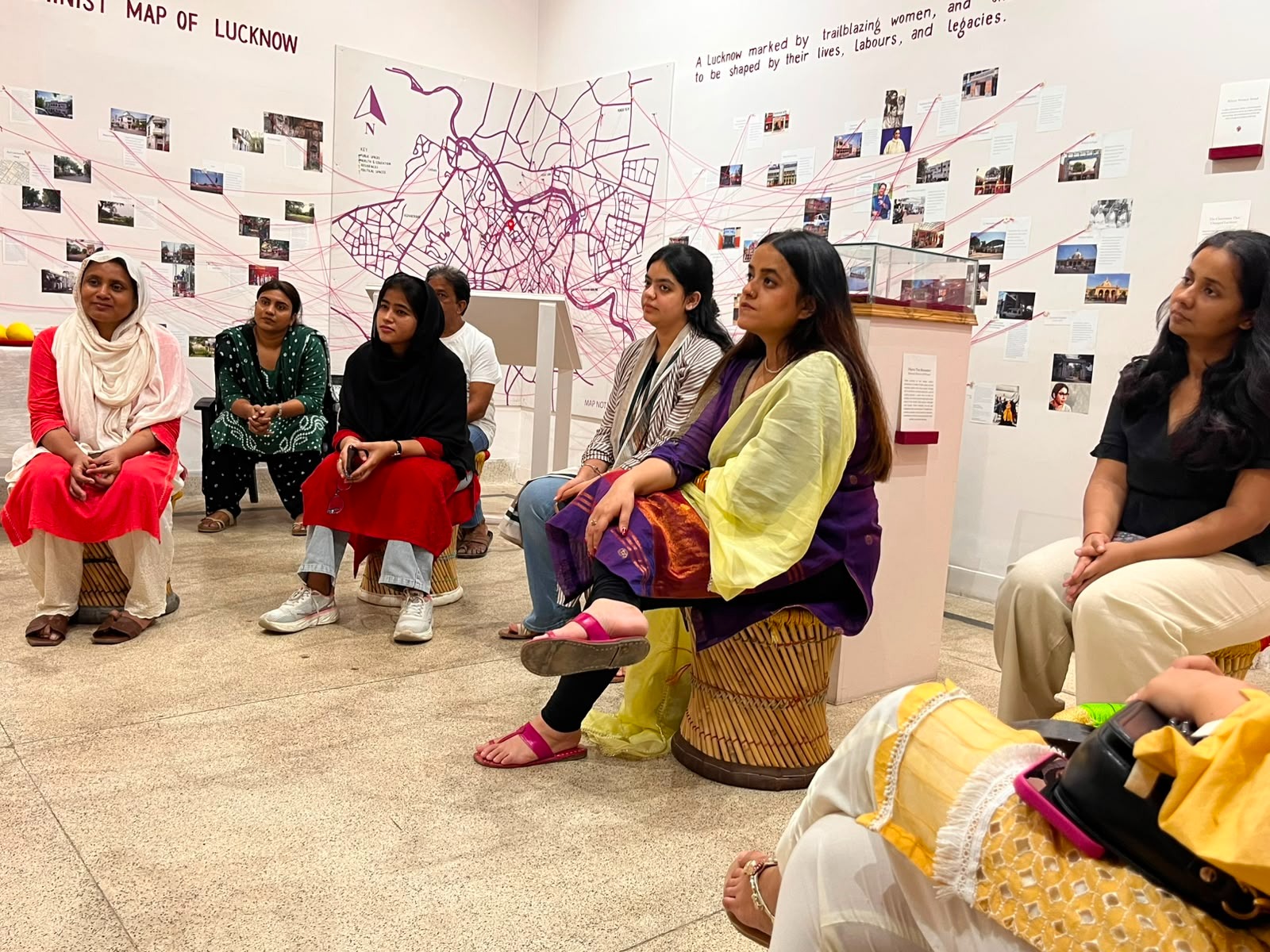
LUCKNOW — On the breezy evening of Saturday, June 20, 2026, the quiet charm of Qaiser Bagh came alive with stories of sun-baked riverbeds, heirloom mangoes, and forgotten architectural wisdom. Hosted at 130, JC Bose Marg, Lucknow Bioscope’s 7th Museum Mixer brought together history enthusiasts, cultural custodians, and curious locals for an intimate conversation with cultural storyteller Isha Priya Singh.
The theme? A deep dive into the local, ecological understandings of the North Indian summer, with a special love letter to the region of Awadh.
The evening began by challenging how we look at the calendar. While modern weather apps track seasons by rigid months and soaring degrees, Singh pointed out that traditional Indian communities relied on a completely different vocabulary.
“Local understandings of seasons in India are different from standard seasonal classifications,” Singh explained. “Communities in India have long understood seasons through local ecological knowledge which has helped them anticipate weather patterns and make informed agricultural decisions.”
In Awadh, the arrival of summer isn’t just a date on a grid; it is a sensory shift. It’s marked by the changing direction of the wind, the specific blooming cycle of local flowers, and the sudden, vibrant transformation of the local bazaar.
A Taste of the Awadhi Summer: From Riverbeds to Orchards
The conversation quickly turned into a sensory celebration of summer produce, reminding attendees how regional diets were historically designed to cool the body and sync with nature. Participants enthusiastically shared memories and trivia about local heat-busters:
-
Hydration from the Riverbeds: The crisp watermelons grown in the Gangareti ke ilake—the nutrient-rich, sandy riverbed soils of the Ganga.
-
Melon Royalty: The intensely fragrant, local varieties of muskmelons sourced specifically from Bakshi Ka Talab.
-
Daily Coolers: The crunch of seasonal kheera (cucumber) and kakdi (snake melon), alongside the ubiquitous, gut-friendly bel ka sharbat (wood apple squash).

The King of the Evening: The Mango Quiz
No summer conversation in Lucknow is complete without the King of Fruits. The Mixer featured a lively quiz segment centered entirely on the legendary mango varieties of Awadh.
Singh beautifully captured the region’s obsession:
“The region’s mangoes are celebrated not only across the country but also within its cultural life. Aam ki daawatein (mango feasts), mango exhibitions, and a wide variety of mango-based dishes prepared in homes have long been an integral part of the season.”
The Modern Disconnect: Concrete and Weather-Proofing
The feature took a reflective turn as the discussion shifted to contemporary urban life. Historically, Awadhi architecture—with its high ceilings, thick brick walls, taikhanas (underground rooms), and strategic use of khus (vetiver) screens—worked with the summer heat. Today’s cities, however, fight against it.
Singh observed that rapid urbanization has fundamentally altered our relationship with seasonal cycles:
“We have shaped our cities in ways that have made summers increasingly difficult to endure. The urban heat island effect is much more pronounced in built-up areas, where concrete and infrastructure trap heat.”
The cost of this shift isn’t just environmental; it’s cultural. “The way people once aligned their lives with the rhythms of the seasons is gradually fading,” she added. “Our spaces are becoming more weather-proof, and we are increasingly disconnected from seasonal experiences.”
About the Pillars of the Evening
| The Speaker: Isha Priya Singh | The Initiative: Museum Mixer |
| A NIFT Gandhinagar graduate and cultural storyteller who explores the heritage of the Ganga–Jamuna region through live performances and her digital platform, Desi Drapes. She has taught/mentored at NIFT Rae Bareli, NIFT Delhi, and the Indenium School of Responsible Design, advocating for South Asian crafts and slow fashion. | An intellectual and interactive initiative by Lucknow Bioscope. It serves as a conversational sanctuary where like-minded individuals gather to exchange stories, ideas, and perspectives bridging the gap between historical heritage and contemporary regional issues. |
As the twilight deepened over Qaiser Bagh, attendees left with a renewed appreciation for the loo (summer wind), the shade of old trees, and a collective urge to revive the slow, rhythmic living that once defined the perfect Awadhi summer.